
What is Venture Capital
Have you ever wondered what a Venture Capital is? How does a VC work? Samaipata investment team tells you first hand.
1. Source Startups
VC investors are hunters. Sourcing is a 24/7 job, they are constantly in the look for investment opportunities. They attend events, speak to their network of founders, business angels and investors, navigate through endless databases... it never stops. So, if you are a founder of a tech startup looking for funding, send us your deck, we are looking to hear learn more!
2. Analyze the business
VCs go deep into a business before deciding whether to invest or not. The data available to consider very much depends on the stage of the business (the earlier the less information) but the bulk of the analysis focuses on three main pillars: team (this is the most important point), market (market size, competition) and the business (current state and trends of the KPIs and financials).
3. Invest in startups
Venture Capital funds invest in startups in exchange for an equity stake. Depending on the size of the round, a VC firm can be the sole investor or co-invest with other tech investors. Note that VCs like us analyze thousands of companies a year and only invest in a handful of them.
4. Portfolio management
Different Venture Capital firms have different policies on whether taking a board seat or not (it obviously also depends on their stake in the company). More and more, there are VC funds - also known as smart money - that do not only provide funds but also bring to the table their relevant business know-how and their network to help grow the business. See here for more on how Samaipata adds value to our startups.
5. Make returns for LPs
Ultimately, VC firms need to return money for their investors, known as LPs (Limited Partners). Venture Capital funds make money when they have an “exit”, i.e. one of their companies gets acquired or goes public (IPO) and they sell their stake, ideally for many times what they paid for it. Note that in a typical fund, the returns come from 20% of the investments, i.e. in a portfolio of 10 companies, 2 will be winners.
Now you know what we do, so if you are an entrepreneur looking for funding for your startup, send us your deck.

See also
More insights to better the world through technology
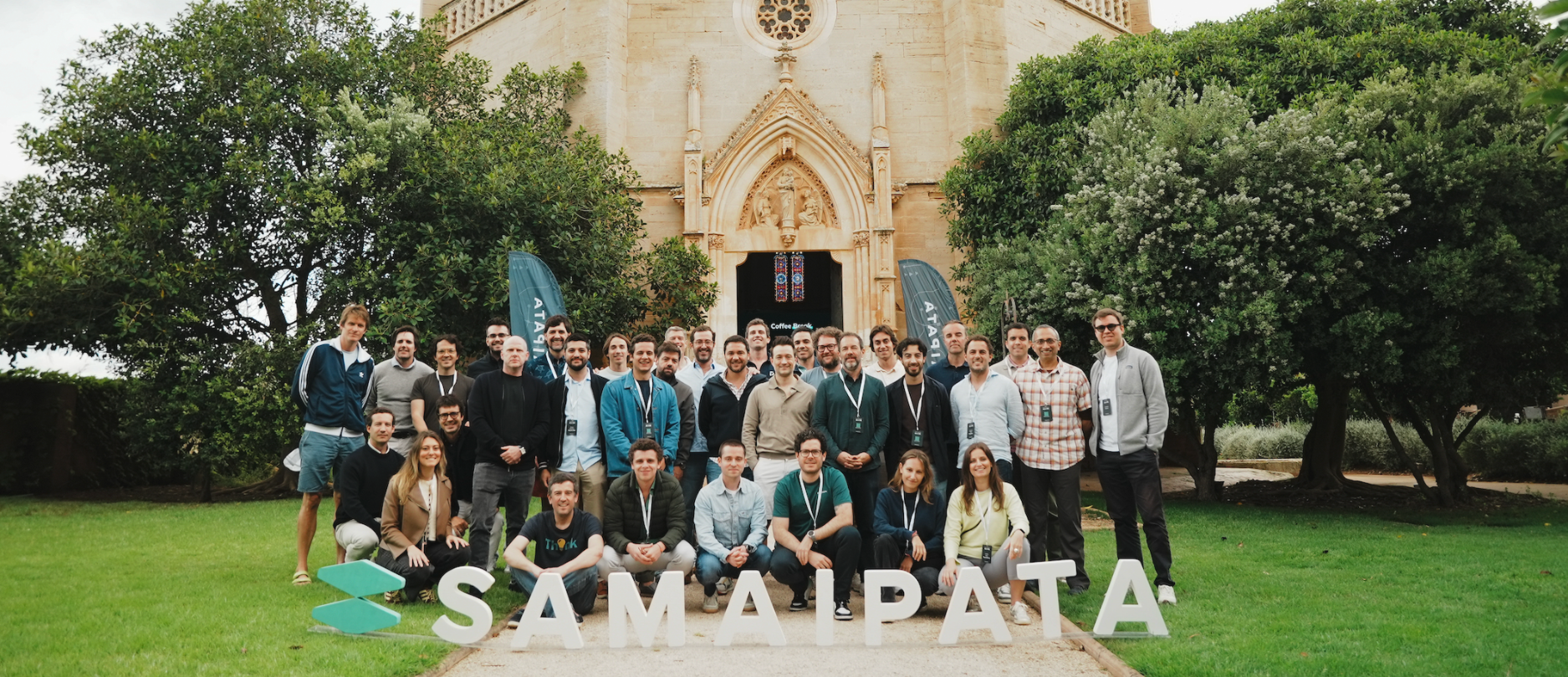
The Hive Summit 2026: AI or DIE | Samaipata Founders' Retreat

The SaaS playbook has imploded: 10x your product or die

Is AI shooting down contrarian ideas before they take off?
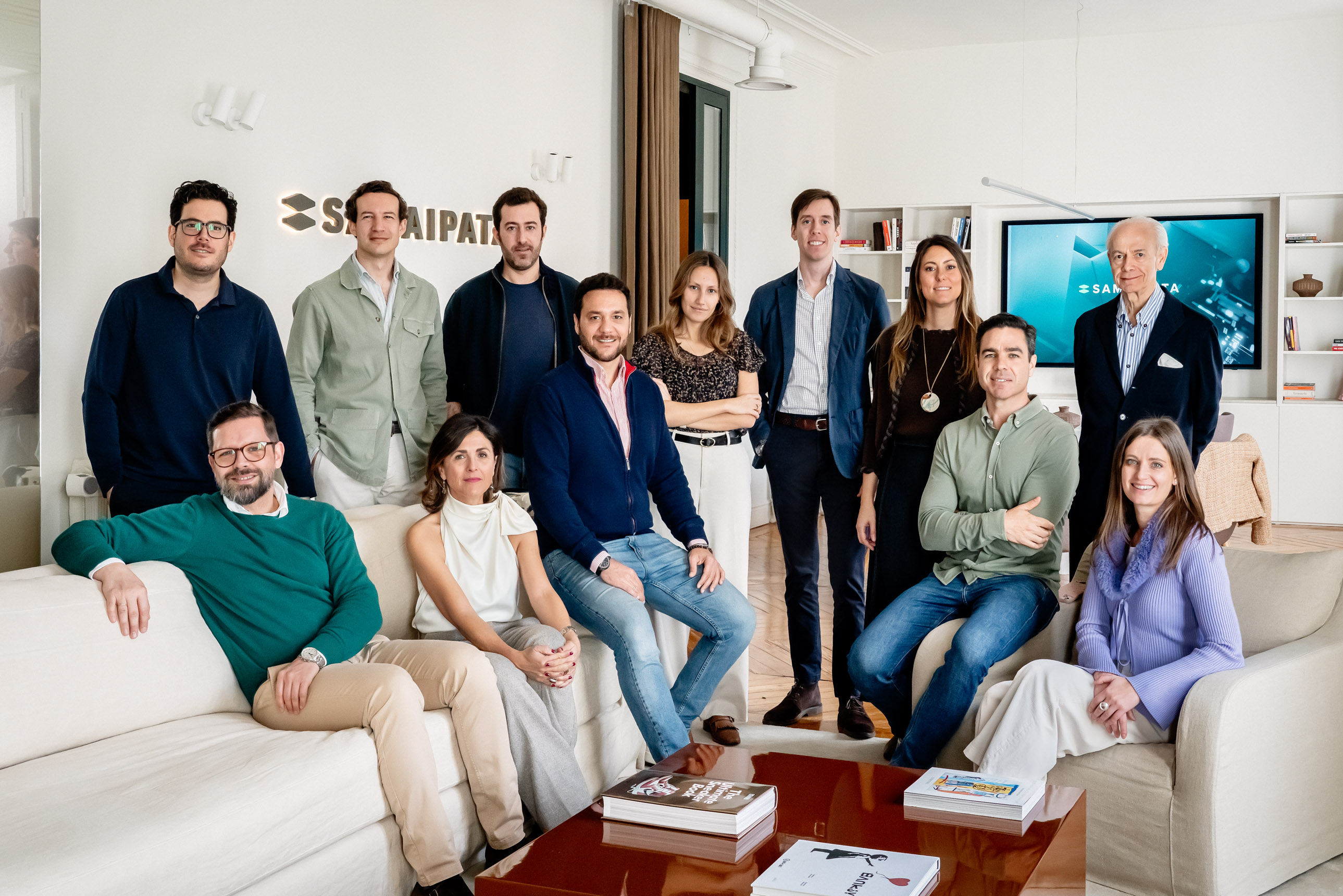
Samaipata III: Launching a €110M fund to back Europe’s builders in the age of AI

VIVLA: Re-underwriting our conviction

The blurring lines between software and service


